


Ecopoetry for Everyone
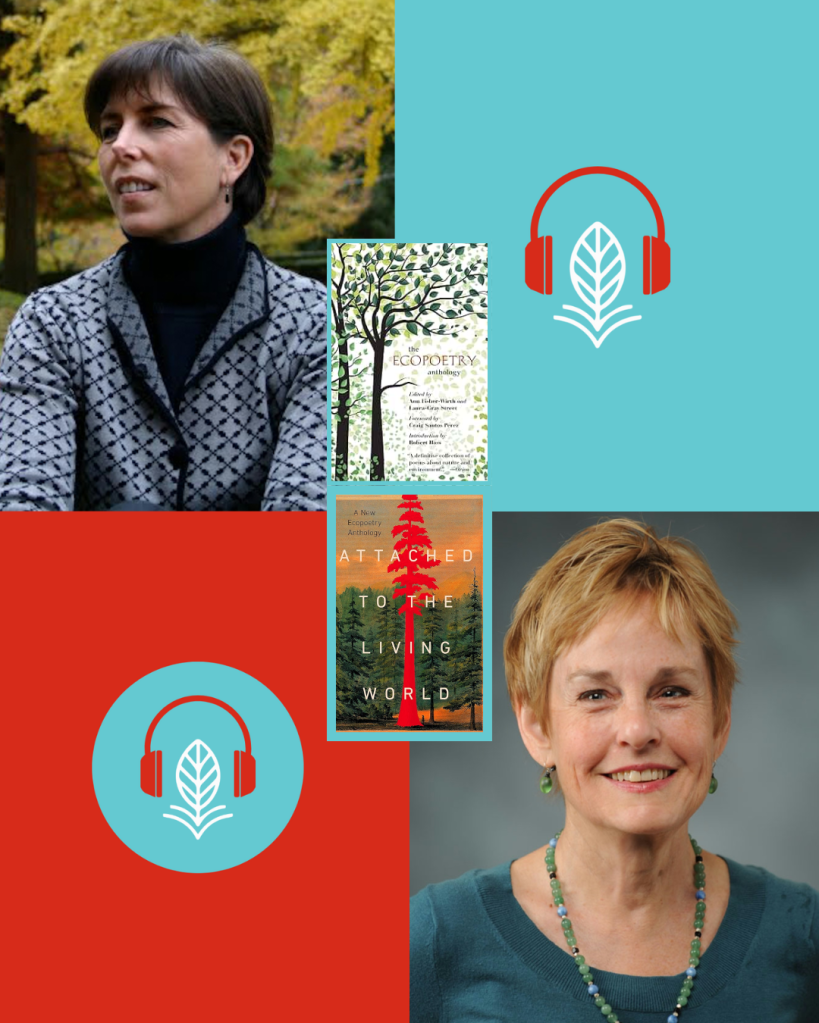
I recently had the pleasure of interviewing Ann Fisher-Wirth and Laura-Gray Street for the Tripod episode “Ecopoetry: Writing the World.”
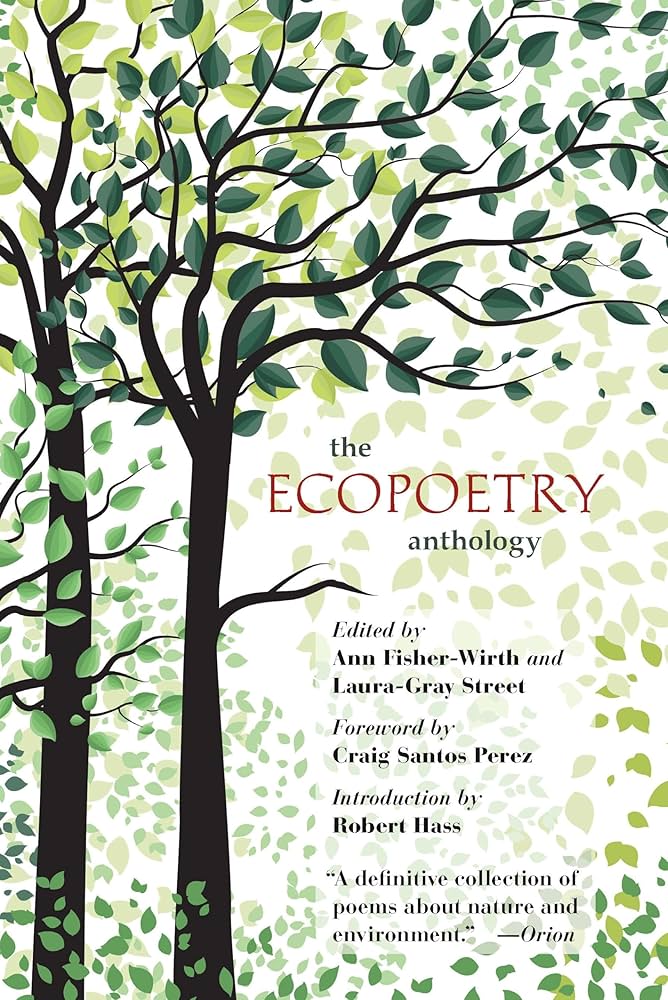
Fisher-Wirth and Street are the coeditors of The Ecopoetry Anthology and Attached to the Living World: A New Ecopoetry Anthology, two incredible books published by Trinity University Press. The Ecopoetry Anthology includes work by American poets through the early twenty-first century. With the increased environmental crises of the past decade alone, Fisher-Wirth and Street felt that it was critical to compile the second anthology, and Attached to the Living World features the work of mostly contemporary poets written after 2009.
I deeply enjoyed reading these books and found that there was a lot to learn from the ecopoetry genre. Prior to preparing for this episode, I knew little about it, but after talking with Fisher-Wirth and Street I wish I had discovered it sooner.
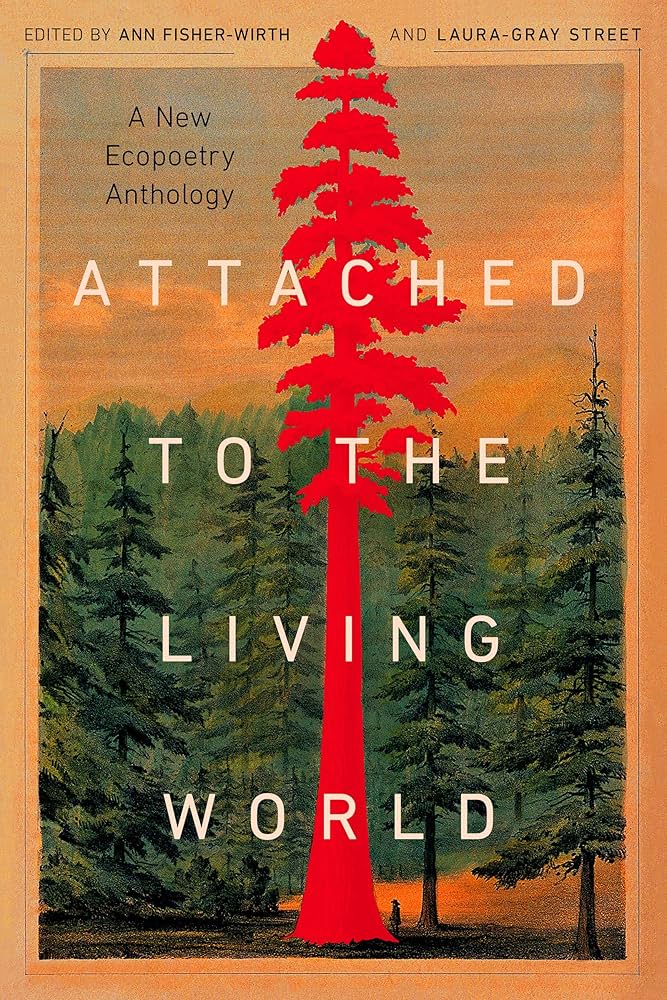
Ecopoetry, similar to environmental and nature poetry, focuses on the environment and aims to bring awareness to ecological issues while creating connections to nature and the nonhuman world. Over the centuries the genre has tackled the environmental issues and crises of its time.
Besides its obvious merit in bringing awareness about ecological issues (which weighed heavily on this reader), ecopoetry has much to do with focusing our attention on the beauty that is all around us. Poets, like so many artists, gather inspiration from their surroundings; this could mean hiking in the wilderness, camping with friends and family, spending the day outdoors, or reading others’ work about environmental issues and triumphs.
These same resources are available to all of us. The key is making an active choice to engage intentionally with our ecological consciousness. That is, we must choose to recognize our interconnectedness with the natural world, which is inseparable from our lived experiences and our planet’s health. Being intentionally aware could mean volunteering for a park cleanup, making efforts to reduce waste, or simply reading literature, like ecopoetry, that helps us remember to be grateful for the world we have and treat it with respect and kindness.
There are so many ways to be ecologically conscious, and reading ecopoetry is a great place to start. For more information, listen to Fisher-Wirth and Street’s episode, “Ecopoetry: Writing the World,” on the Tripod website and all streaming platforms. Also, check out their books on the Trinity University Press website and anywhere you buy books.
By Lily Brennan

 TRIPOD