


Pondering Place
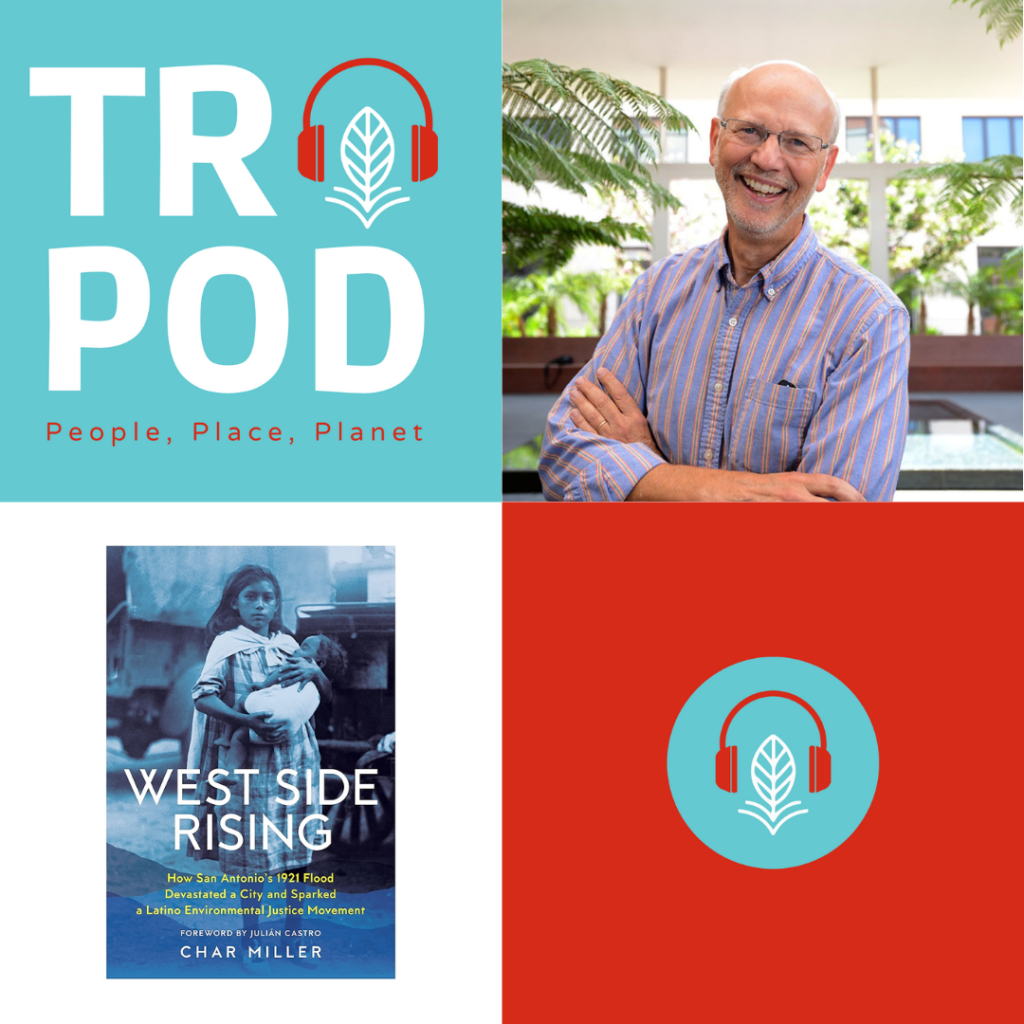
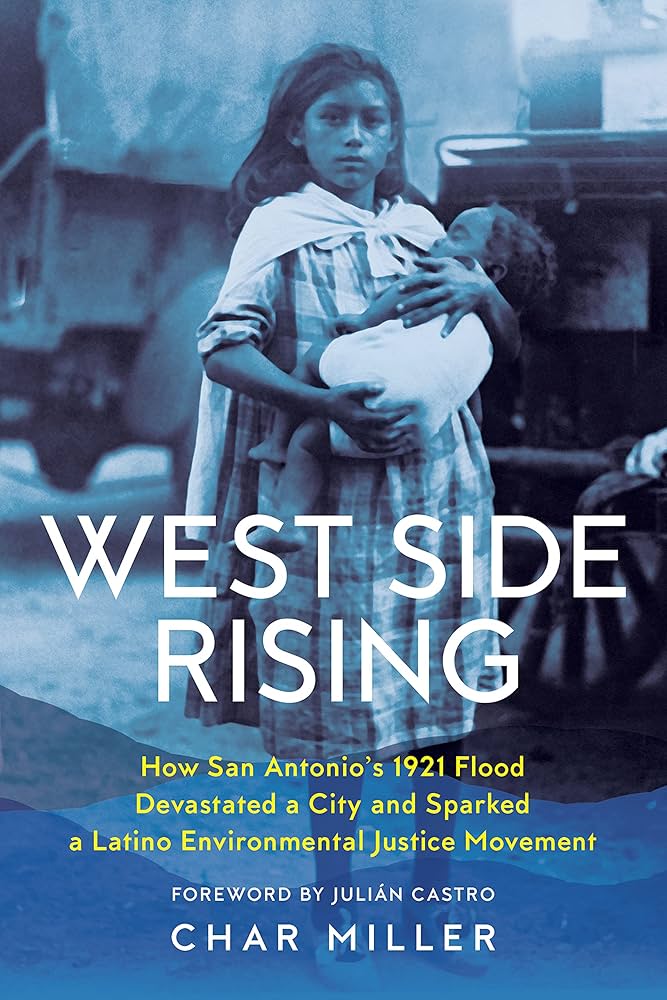
In the latest Tripod episode, “West Side Rising: Flood and Forging On,” I had the opportunity to ask author Char Miller why understanding the history of one’s place is important. His answer was incredibly moving, set in the perspective of spending more than ten years of his life researching the 1921 flood that wrecked the West Side of San Antonio, and it inspired me to look into how we can learn more about our places and their stories.
The immediate resource that came to mind was public libraries. Libraries are full of incredible stories that help us learn more about the people and places in our lives, and many feature archives with detailed accounts of moments in a place’s history. Trinity University’s Special Collections, for example, has a multitude of media and documents donated across the years by alumni and benefactors. The unsung heroes of these resources, of course, are librarians, who have so much knowledge on a variety of subjects and can help visitors locate just about any resource they may be looking for.
Many areas of the country have historical and heritage sites–locations, landscapes, and structures that have been preserved for their connections to a place’s history and culture. Researching and visiting these sites is a great way to get closer to the living history of your place.
Monuments can be anywhere if you know where to look, but if a historical treasure hunt isn’t your speed, many cities have museums with curated displays on history, science, and arts related to their location. These options are great ways to immerse yourself in the history of your landscape and the people who once inhabited it.
Finally, there are endless ways to make each day an exploration of place, including walking in local parks, exploring neighborhoods, noting an area’s native plant and animal species, or simply taking time to meet your neighbors, attend community events, and support local businesses.
But the most accessible way to learn the history of a place is by reading the nearly limitless publications, articles, and blogs about anywhere in the world, all just the turn of a page away.
To learn more, check out the Tripod website and listen to Tripod anywhere you find podcasts.
By Lily Brennan
 TRIPOD